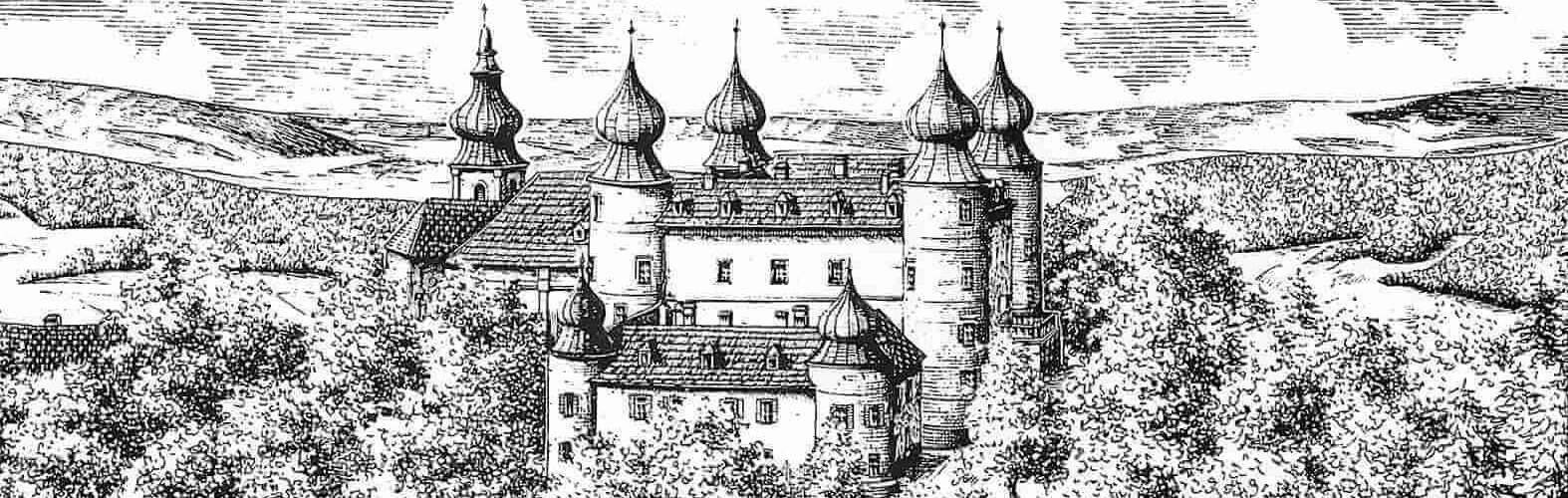
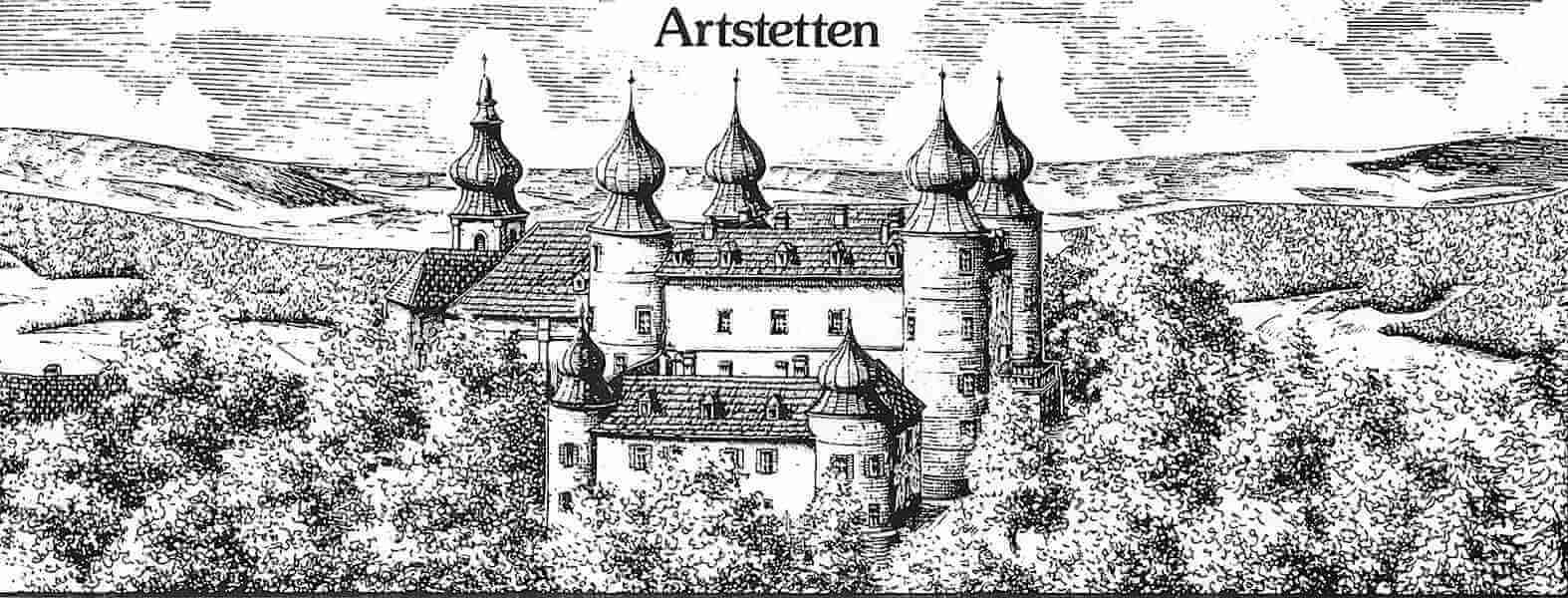
The name Artstetten was first documented in the mid-13th century. The medieval fortress gradually developed into a castle and changed ownership several times over the centuries until it was acquired in 1823 by Francis I of Austria for the House of Habsburg.

Beginning in 1861, Archduke Karl Ludwig of Austria, brother of Franz Joseph I of Austria and brother-in-law of Empress Elisabeth of Austria (“Sisi”), commissioned extensive renovations of the castle, both inside and out. In 1889, he passed the estate on to his eldest son, Archduke Franz Ferdinand of Austria, who continued to redesign the castle according to his own ideas.

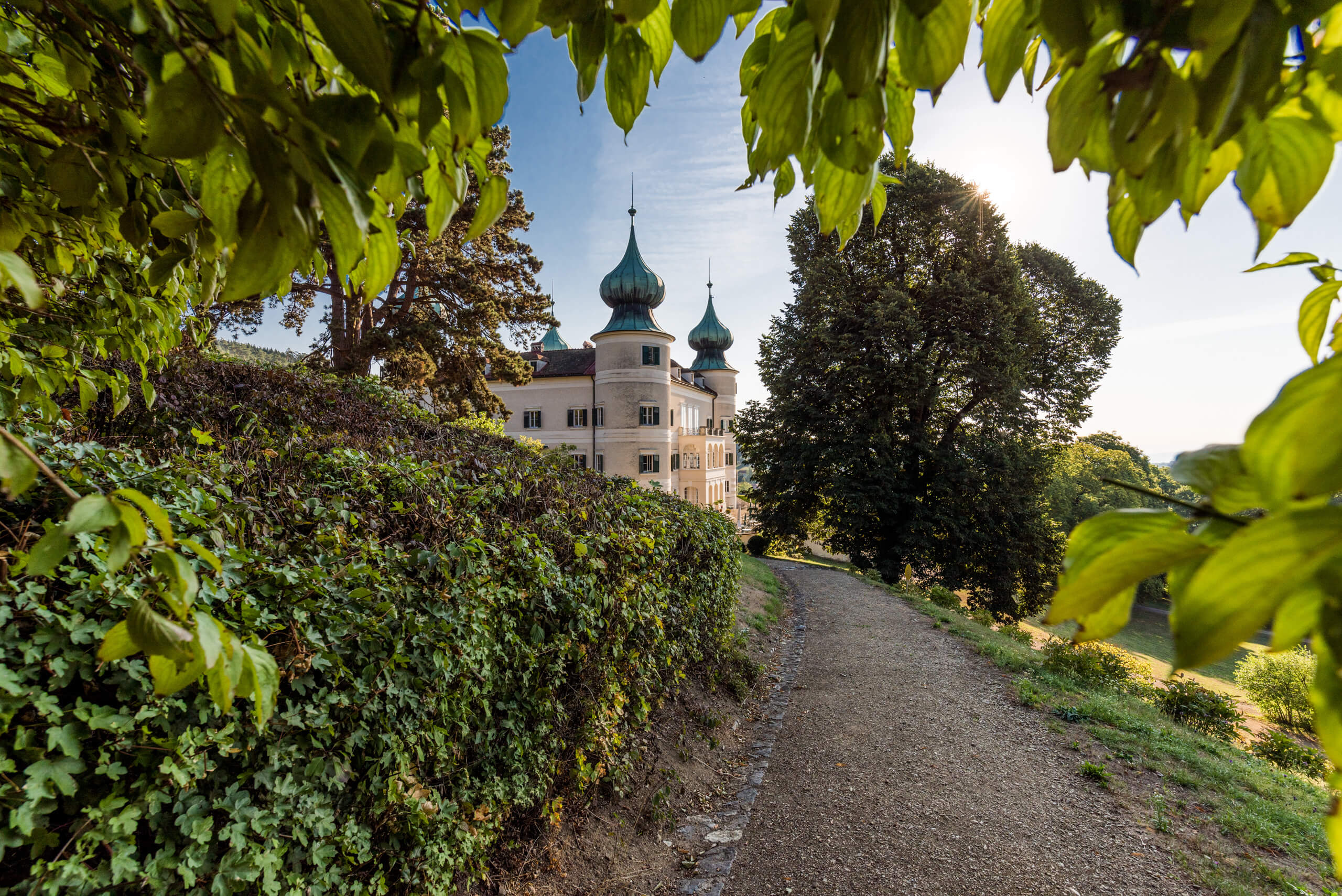
Since 1913, Artstetten Castle near the Wachau Valley has appeared much as it does today: an architecturally impressive complex with seven distinctive towers, which give the castle its unique and recognizable silhouette.

Today, Artstetten Castle houses the Archduke Franz Ferdinand Museum, dedicated to the life of Archduke Franz Ferdinand and the history of his family. Franz Ferdinand was assassinated in Assassination of Archduke Franz Ferdinand—an event that triggered the outbreak of World War I. Artstetten Castle was his personal residence and remains closely connected with his history.

The estate is still in the private ownership of the Hohenberg family, the direct descendants of the archduke. As an important cultural and historical treasure, its preservation is an ongoing responsibility. Through admission fees and donations, visitors help support the conservation of this unique site and ensure that Artstetten Castle remains accessible for future generations.

Today, Artstetten Castle is a popular excursion destination in Lower Austria and one of the few castles in Austria that is still privately owned by a family while remaining open to the public.

Natur-Schlosspark von Schloss Artstetten im Waldviertel nahe der Wachau
Der historische Natur-Schlosspark von Schloss Artstetten ist ein beliebtes Ausflugsziel in Niederösterreich.

The Castle Owners

of Artstetten Castle

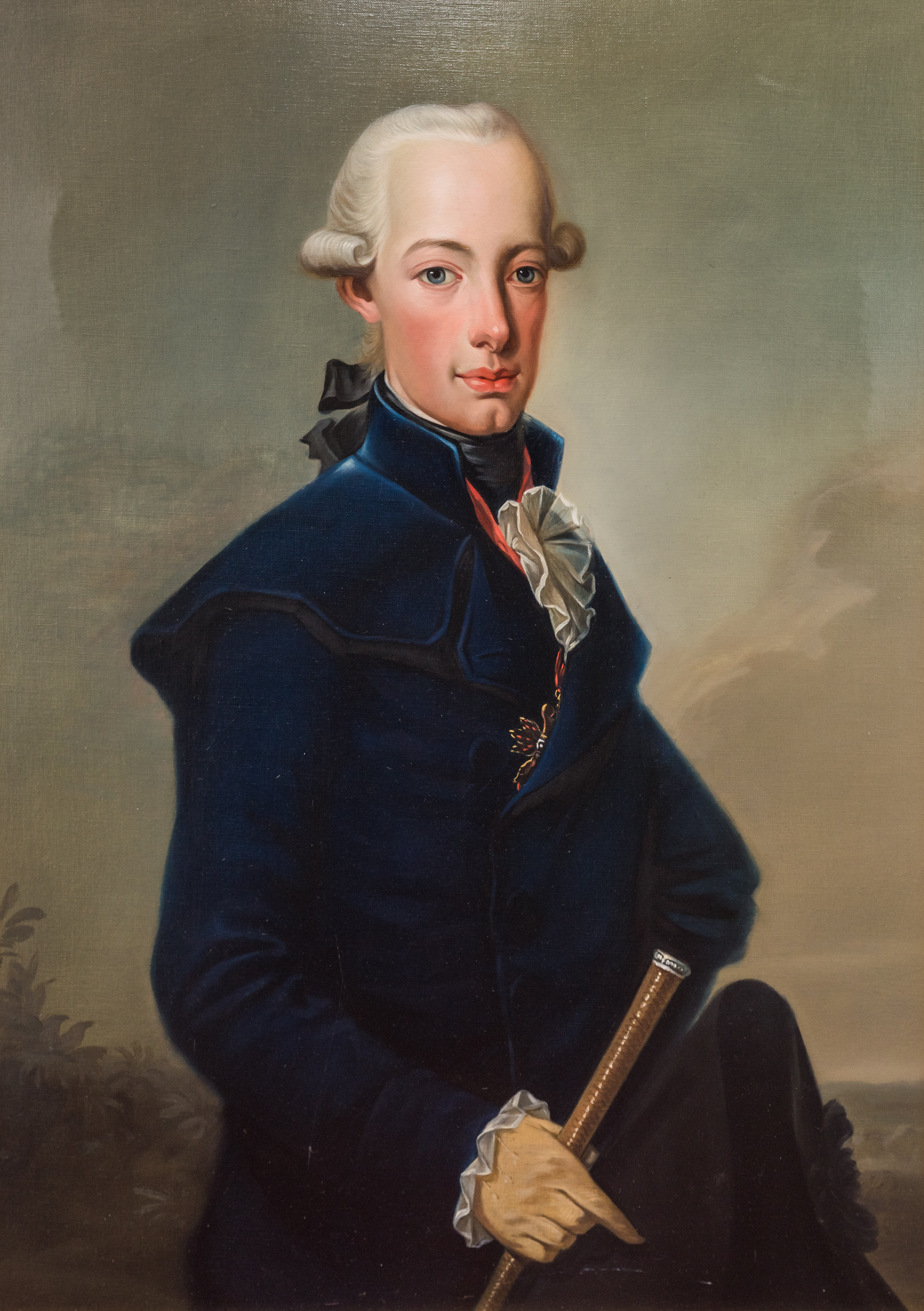
Emperor Franz I.

Franz I. – also called “The Floral Emperor” and father-in-law of Napoleon – acquired the castle of Artstetten in 1823 as one of many in the region. Within a radius of 20 km he owned 14 further castles, such as Persenbeug, Leiben, Pöggstall and Luberegg. From the old plans it can be clearly seen that the parkland to the west of the octagonal pavilion was used firstly and foremostly as “vegetable and grass gardens”.

Kaiser Franz I. - Schloss Artstetten
Emperor Franz I.

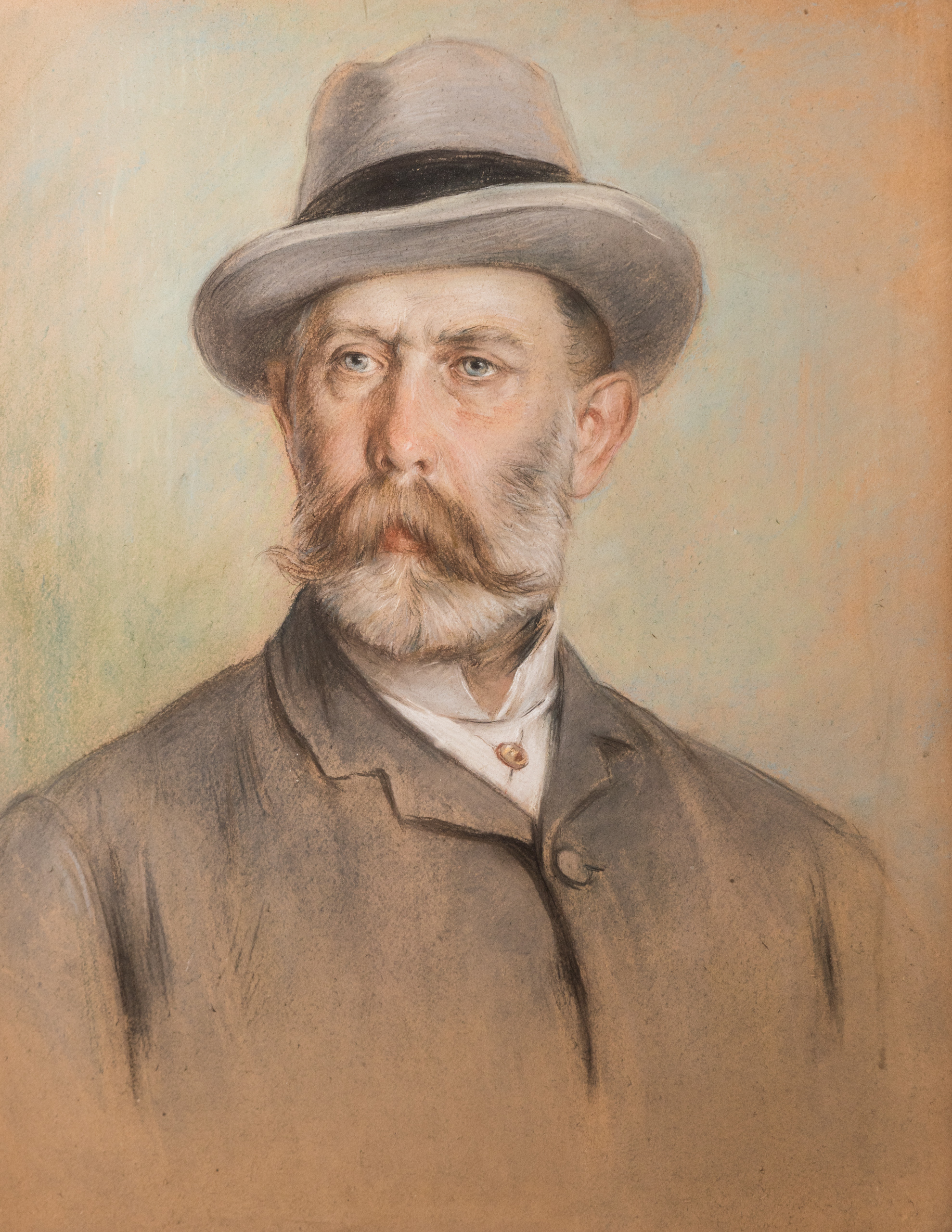
Archduke Carl Ludwig

Thirty years later the castle became the property of Archduke Franz Carl (the father of the Emperor Franz Joseph), who in 1861 its transferred ownership to his third son, Carl Ludwig. As he spent the late spring and the summer in Arstetten, as well as being the mayor of the local community, he undertook extensive alterations both inside and out: among other things, he had the bathroom installed, which may be seen in the museum, and for the enthusiastic swimmer a “pool” was also made Nächste to the bathing pavilion (to be seen on the park tours). Even the chestnut avenue designed on the principles of geomancy and the two fountains can be traced back to the archduke.

Erzherzog Carl Ludwig - Schloss Artstetten - Portrait - Museum
Archduke Carl Ludwig

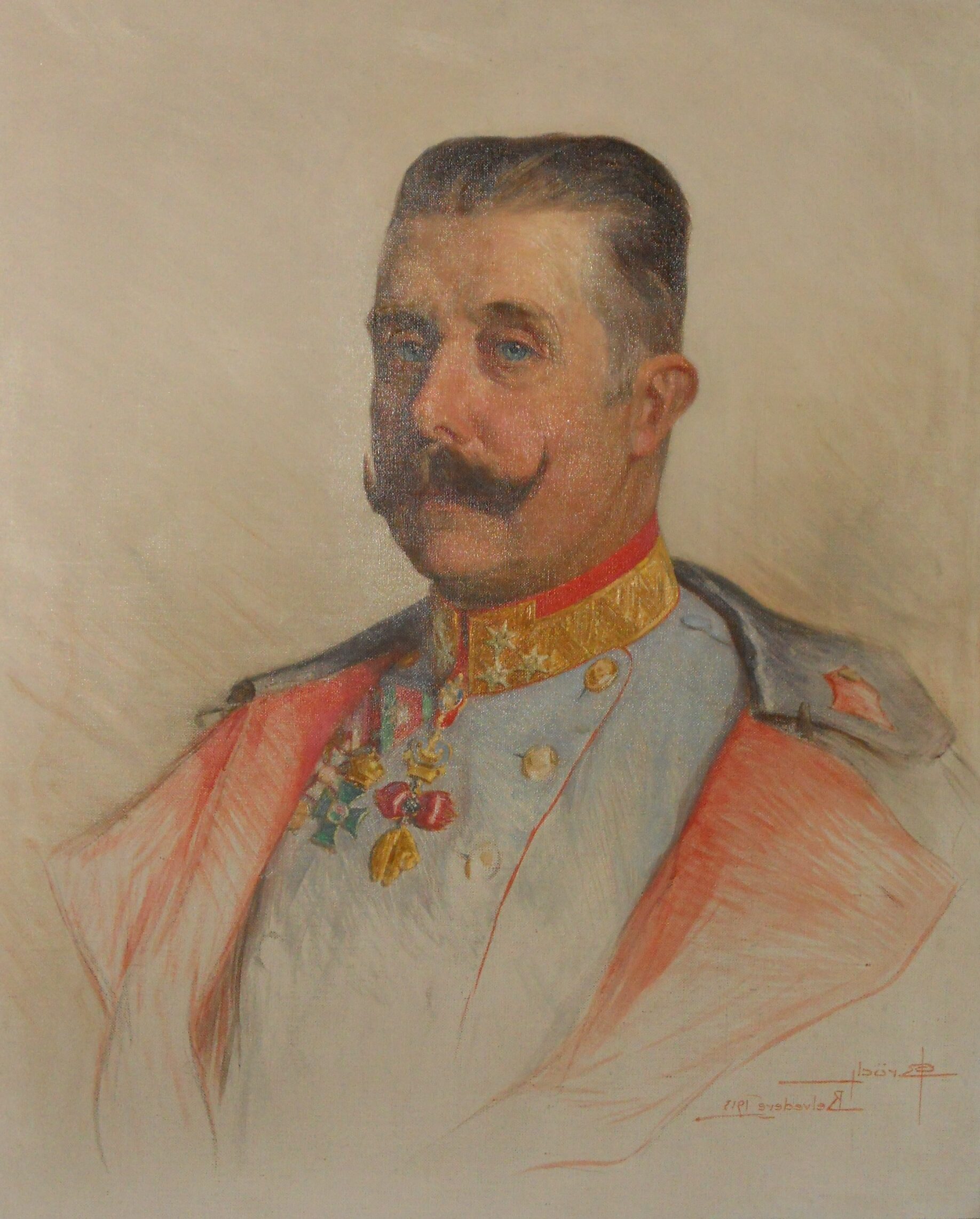
Archduke Franz Ferdinand

In 1889 Archduke Carl Ludwig made over Artstetten to his eldest son, Franz Ferdinand von Österreich-Este. As with most of the castles in the possession of the later heir apparent, Artstetten was also reconstructed and modernised along lines conceived by the archduke. Not only were electric wiring and a lift installed, but also parts of the parkland bear the unmistakable traces of his hand – like the “English landscape garden” on the north-western side of the estate. In order to be able also to accommodate his extensive collections in Artstetten, he had the so-called “new wing” constructed, in which today large parts of the museum are to be found.

The unequal status of Countess Sophie Chotek precluded both as Archduke Franz Ferdinand’s wife, as well as their offspring from being able to be interred in the Imperial Crypt of the Capuchin church in Vienna, the traditional burial site of the Habsburgs. Since Franz Ferdinand wished to be buried beside his wife, he decided to have a crypt for himself and his family constructed under the castle church, which was completed in 1910. No one could have anticipated that just four years later Franz Ferdinand and the Duchess Sophie von Hohenberg would already be laid to rest here.

Museum im Schloss Artstetten Ausflugsziel in Niederösterreich – Ausstellung zu Erzherzog Franz Ferdinand
Archduke Franz Ferdinand

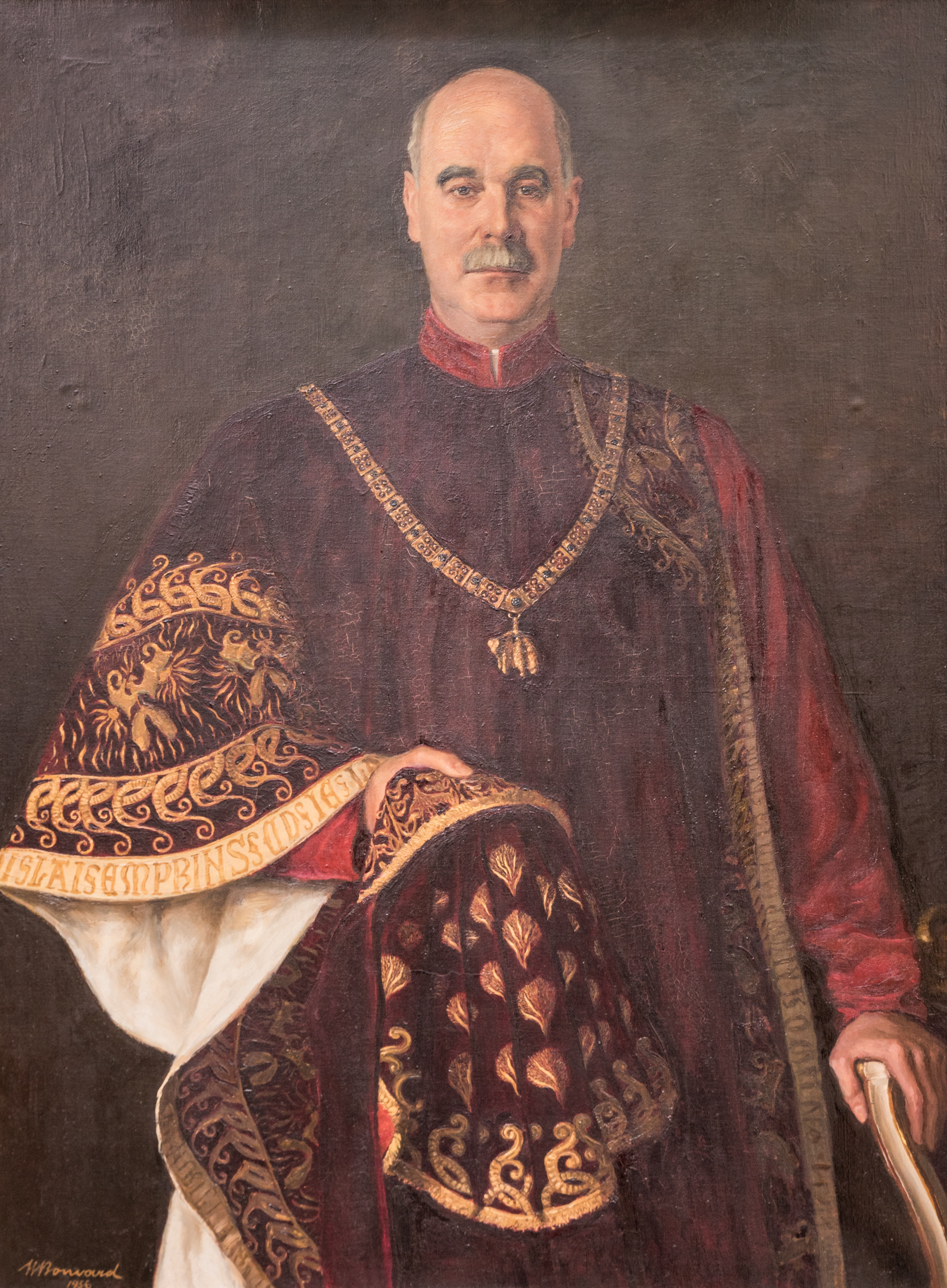
Duke Maximilian

Following the assassination on 28 June 1914 Artstetten passed to the eldest son of the murdered heir apparent, Maximilian, at that time just 12 years old. After the annexation of 1938 Maximilian and his brother Ernst (both declared and well-known opponents of the Nazi regime) were among the first Austrians to be deported to the concentration camp at Dachau. Artstetten was confiscated. It was returned by the Republic of Austria only in 1949.

At the end of the Second World War (1945), with the consent of the Soviet occupation authorities, the inhabitants of Arstetten elected Duke Max as mayor of their community for two five year terms.

All of his six sons (Franz, George, Albrecht, Johannes, Peter and Gerhard) grew up in Artstetten and attended school here.

Herzog Maximilian - Schloss Artstetten Museum
Duke Maximilian

DUKE FRANZ AND DUCHESS ELISABETH

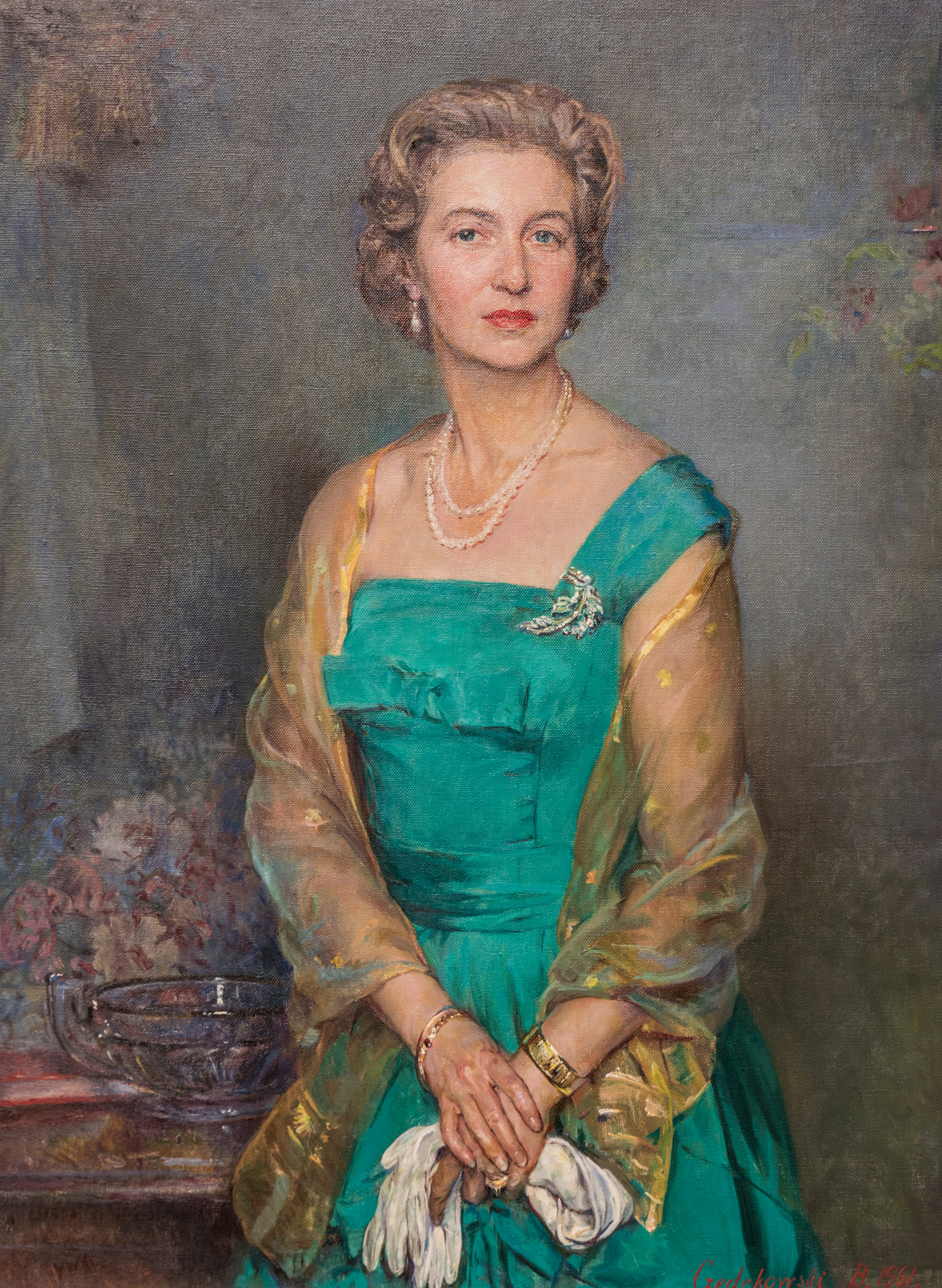
Duke Max left Arstetten in 1962 to his eldest son Franz. After his premature death in 1977 his widow, the Duchess Elisabeth von Hohenberg, Princess of Luxembourg, made over the estate of Artstetten to her eldest daughter, Anita Hohenberg.

Schloss Artstetten in Niederösterreich - Herzogin Elisabeth - Portrait
Duchess Elisabeth

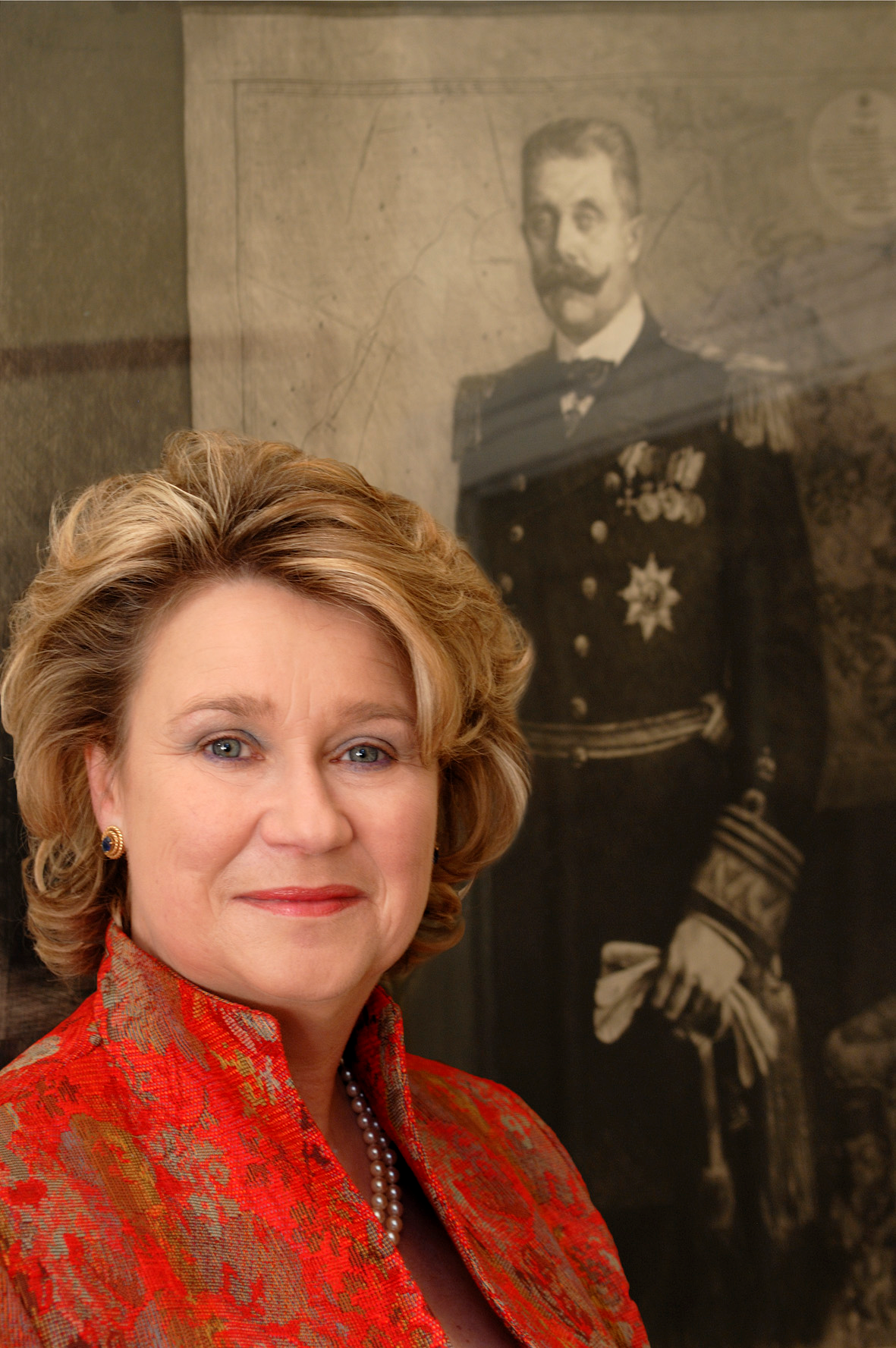
Anita Hohenberg

In order to preserve as a whole the “Ensemble Artstetten” consisting of castle, forestry and agriculture, the Anita Hohenberg Trust was established at the end of 2003. Until 2015 the management of the family enterprise was in the hands of Anita Hohenberg. She received support in this from her children, Gaetan de la Poëze d’Harambure (*1980) in the business sphere, Alix de la Poëze d’Harambure married name Fraye (*1981) in marketing, Gabriel de la Poëze d’Harambure (*1987) forestry and parkland of the estate, and Raoul de la Poëze d’Harambure (*1989) in the museum and with incentive programmes.


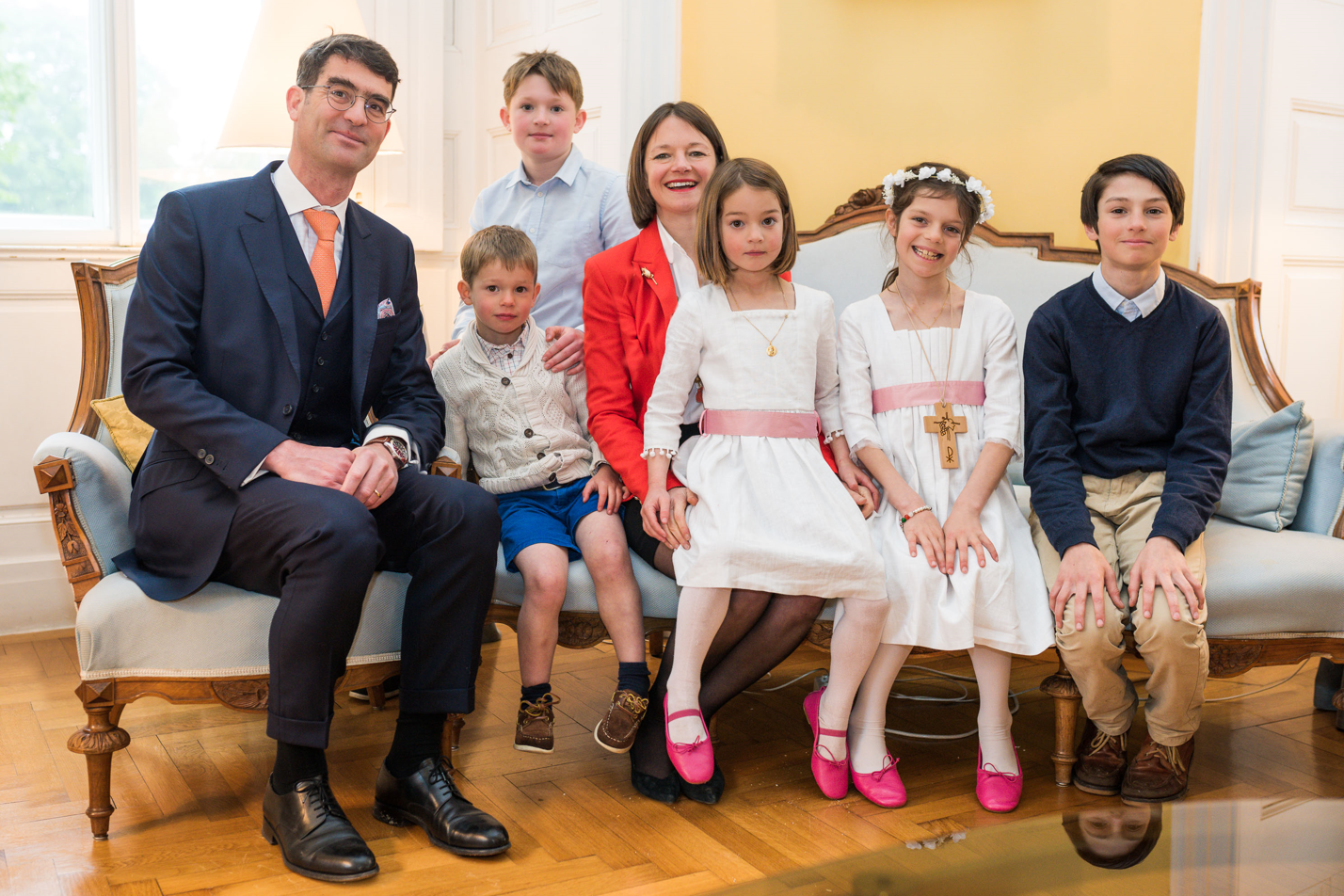
In December 2015 Alix de la Poëze d’Harambure-Fraye assumed the management of the family enterprise. She continues to receive support from her mother as well as from her brothers and her husband.

The family lives in the castle all year round.

Anita von Hohenberg - Schloss Artstetten
Schloss Artstetten – Wohnsitz Erzherzog Franz Ferdinand heute seiner Verwandtschaft der Familie Hohenberg d’Harambure-Fraye
Alix and Francois-Xavier Fraye with their children